

 BG
BG DE
DE Hrvatski
 Čeština
 Dansk
Dansk Nederlands
 Eesti
Eesti Suomi
Suomi Français
 Ελληνικά
 Magyar
 Latviešu
 Lietuvių
 Malti
Malti Norsk bokmål
 Polski
 Română
 Slovenčina
 Slovenščina
 Español
 Svenska
 Italiano
 Português, Portugal




























Shop weather meters at No Boring Guns for precision shooting, hunting, and long range applications. We stock handheld weather meters and portable wind meters designed for field use across all shooting disciplines.
Environmental conditions dramatically affect projectile trajectory at distance. Wind speed, temperature, humidity, and barometric pressure all influence ballistic performance. Weather meters provide the real-time data needed to calculate accurate firing solutions, particularly critical beyond 300 meters where environmental factors compound quickly. Competition shooters, hunters working open terrain, and precision rifle enthusiasts rely on these instruments to gather atmospheric data for ballistic calculators and range cards.
Calypso Instruments and other manufacturers produce units specifically engineered for shooting sports, with ruggedized housings that withstand recoil, weather exposure, and rough handling. The distinction between general meteorological instruments and shooting-specific weather meters lies in portability, battery efficiency for extended field use, and data presentation optimized for ballistic calculations rather than weather forecasting.
Choosing Shooting Weather Meters
Measurement Accuracy and Sensors
Sensor quality determines reliability of environmental data. Wind measurement accuracy matters most for shooting applications, as even slight miscalculations in wind speed compound dramatically at distance. Quality anemometers provide readings in multiple units (mph, kph, m/s) with responsive updates. Temperature and humidity sensors enable accurate density altitude calculations, while barometric pressure accuracy affects elevation-based trajectory predictions. Higher-grade units typically feature calibrated sensors with tighter tolerance specifications.
Portability and Construction
Pocket weather meters balance comprehensive measurement capability with field portability. Physical dimensions and weight affect how easily instruments travel in range bags or hunting packs. Construction quality determines longevity under field conditions – sealed housings protect electronics from moisture and dust, while impact-resistant materials survive drops and rough handling. Battery accessibility and replacement options matter for extended trips where charging isn’t available. Some compact designs sacrifice screen size or button layout for portability, creating usability tradeoffs.
Data Integration and Display
Standalone weather meters display readings directly on integrated screens, providing immediate environmental data without additional devices. Models with wireless connectivity transmit measurements to ballistic apps, streamlining the process from environmental reading to firing solution. Display readability in bright sunlight and backlighting for low-light conditions affect field usability. Data logging functions allow shooters to track conditions throughout range sessions or hunting days, building environmental profiles for specific locations.
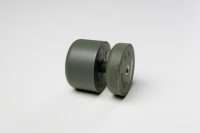
Calypso Ultrasonic Portable Mini AB
OUT OF STOCK
352.28€
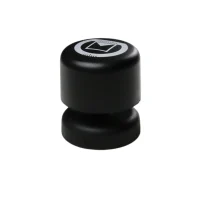
336.94€
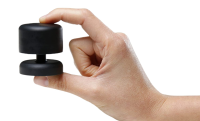
Calypso WeatherDot
OUT OF STOCK
152.88€