BG
BG DE
DE Hrvatski
 Čeština
 Dansk
Dansk Nederlands
 Eesti
Eesti Suomi
Suomi Français
 Ελληνικά
 Magyar
 Latviešu
 Lietuvių
 Malti
Malti Norsk bokmål
 Polski
 Română
 Slovenčina
 Slovenščina
 Español
 Svenska
 Italiano
 Português, Portugal
Shop scope mounts at No Boring Guns for bolt-action rifles, semi-automatic platforms, and precision shooting systems. Quality riflescope mounts provide the critical interface between your optic and firearm, affecting accuracy, durability, and sight picture consistency across every shooting session.
Mounting rifle scopes properly starts with choosing hardware that matches your rifle’s receiver design, scope tube diameter, and intended use. Whether setting up a hunting rifle for quick shots in varied terrain or building a precision rifle for long-range accuracy, the mount determines whether your expensive optic performs to its full potential.
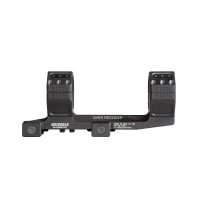
Rifle scope mounts come in several configurations, each suited to different platforms and applications. Ring mounts attach directly to bases or rails, with height determined by the scope’s objective lens diameter and the clearance needed above the barrel. One-piece mounts provide maximum rigidity by connecting both attachment points through a single chassis, reducing potential flex under recoil. Quick-detach systems allow optic removal and reinstallation while maintaining zero, useful when switching between iron sights and magnified optics or when storing rifles in compact cases.
Tube diameter compatibility matters immediately – most modern scopes use 30mm tubes, while traditional hunting optics often feature 1-inch tubes, and tactical scopes sometimes use 34mm configurations. Mount height affects cheek weld and sight picture. Low mounts suit standard rifle stocks and smaller objective lenses, while high mounts accommodate large objectives or allow iron sight co-witness on tactical platforms. Rail systems like Picatinny and Weaver provide standardized attachment, though legacy rifles may require proprietary bases machined for specific actions.
Choosing Quality Scope Mounts
Material and Construction
Precision scope mounts use aircraft-grade aluminum or steel construction. Aluminum offers excellent strength-to-weight ratios and resists corrosion, making it ideal for hunting rifles where ounces matter. Steel mounts handle heavy recoil better and provide maximum durability for magnum cartridges or tactical applications. Machining quality affects concentricity – the rings must be perfectly aligned to avoid stressing the scope tube, which can bind adjustments or even damage internal components over time.
Mounting Interface
The attachment method determines versatility and installation requirements. Direct-mount systems bolt to integral receiver dovetails or bases, offering clean profiles and maximum rigidity. Picatinny rail mounts provide modularity, allowing position adjustment for proper eye relief and compatibility across multiple rifles. Some systems use proprietary quick-detach mechanisms with return-to-zero capabilities, though this convenience adds cost and potential points of failure. Torque specifications matter – proper installation requires following manufacturer guidelines to secure the mount without crushing scope tubes or stripping threads.
Ring Design
Ring height, cap design, and clamping surface all influence performance. Matched ring sets from single manufacturers ensure consistent dimensions. Some designs incorporate bubble levels or cant indicators for precision shooting. The contact patch between rings and scope tube should distribute pressure evenly – quality mounts machine this surface precisely. Cross-bolt designs differ from traditional cap screws, affecting installation ease and vibration resistance.
POPULAR
NOVENTLY
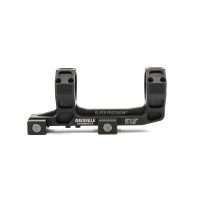
Price range: 428.97€ through 469.88€
POPULAR
NOVENTLY
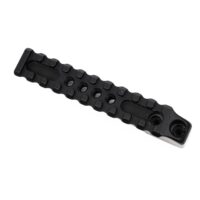
132.42€