
































Shop recoil springs and buffer springs at No Boring Guns for AR-15 platforms, Glock pistols, and other firearms systems. From standard replacements to upgraded competition springs, these components directly affect cycling reliability and felt recoil.
Replacing worn or upgrading factory springs changes how firearms cycle. Buffer springs control bolt carrier group movement in AR platforms, while recoil springs manage slide operation in pistols like Glock models. Whether addressing reliability issues with heavy suppressed loads, reducing felt recoil for faster follow-up shots, or simply replacing worn components after high round counts, spring selection affects function and shooter experience.
Choosing the Right Spring Weight and Design
Spring Weight Selection
Heavier springs slow cycling speed and reduce felt recoil but require sufficient ammunition power to cycle reliably. Lighter springs allow cycling with reduced-power loads but increase bolt speed and may cause excessive wear. Standard-weight springs handle factory ammunition across normal temperature ranges. Competitive shooters often select lighter springs for faster cycling with major power factor loads, while suppressor users need heavier springs to manage increased back pressure. The ideal weight balances reliable cycling with controllable recoil for your specific ammunition and configuration.
Material and Construction Quality
Chrome silicon and music wire represent common spring materials, with chrome silicon offering superior durability for high-volume shooting. Flat wire springs from manufacturers like Sprinco USA provide more consistent pressure curves than round wire designs, reducing the stacking effect that causes harsh recoil impulses. Quality springs maintain consistent tension over thousands of cycles, while economy options lose tension relatively quickly, leading to cycling issues.
Compatibility Considerations
AR buffer springs must match buffer tube length – carbine, mid-length, and rifle systems use different spring lengths. Most AR 15 buffer spring options fit mil-spec buffer tubes, though commercial tubes need specific springs. Pistol recoil springs require exact compatibility with slide and guide rod design. Glock recoil springs vary by generation and model size, with compact frames using shorter springs than full-size versions. Aftermarket guide rods may require corresponding springs.
Firearm Springs FAQs
What does buffer spring do?
A buffer spring controls the bolt carrier group’s rearward and forward movement during the firing cycle in AR-15 platforms. After firing, the spring absorbs energy as the carrier moves backward, slows its travel to prevent damage, and then returns the carrier forward to strip and chamber the next round. The spring’s tension directly affects cycling speed, felt recoil, and reliability with different ammunition types.
Is a heavier or lighter recoil spring better?
Neither is universally better – the ideal spring weight depends on your ammunition, configuration, and intended use. Heavier springs reduce felt recoil and slow cycling speed, which benefits suppressed firearms and helps manage overgassing, but they require full-power ammunition to cycle reliably. Lighter springs allow cycling with reduced-power competition loads and speed up bolt movement, but may cause excessive felt recoil and accelerated wear with standard ammunition.
How much difference does a recoil spring make?
Recoil springs significantly affect both reliability and shooter experience. A properly weighted spring ensures consistent cycling across your ammunition selection and environmental conditions, preventing failures to extract or return to battery. Premium flat-wire springs reduce vibration and provide smoother recoil impulses compared to standard round-wire designs, which competitive shooters notice as faster sight recovery between shots. Worn springs cause cycling malfunctions that fresh replacements immediately resolve.
Are all AR-15 buffer springs the same?
No, AR-15 buffer springs vary in length, wire design, material, and tension characteristics. Carbine, mid-length, and rifle buffer systems require different spring lengths that aren’t interchangeable. Standard round-wire springs differ from flat-wire designs that reduce harmonic vibration, and material quality affects durability and tension retention over time.
50.62€

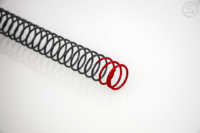
43.46€
ISMI 11 lb. Spring Glock 17 (GL11)
OUT OF STOCK
33.23€
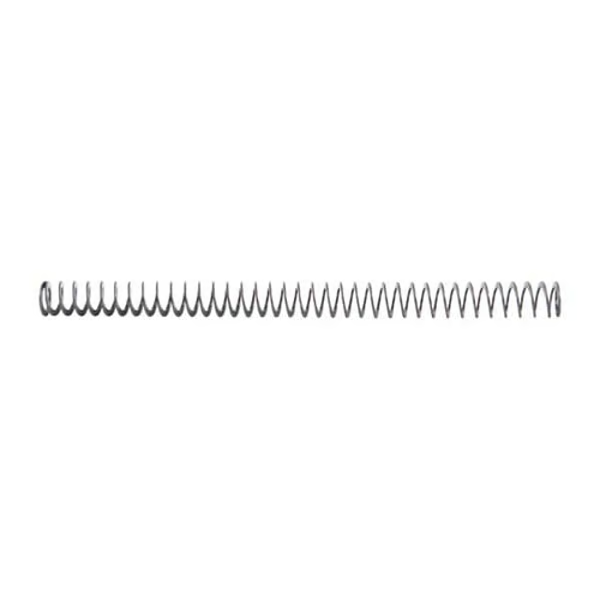
ISMI 17 lb. Spring for Glock 17 (GL17)
OUT OF STOCK
33.23€
30.67€
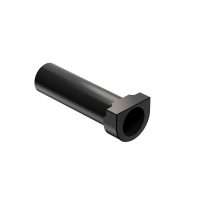
KMR Recoil Spring Housing AL
IN STOCK
29.09€
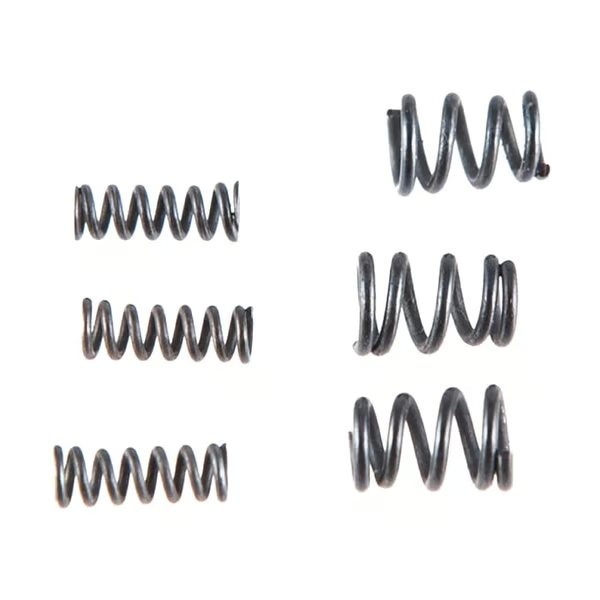
KMR Main Spring Plug
IN STOCK
28.07€
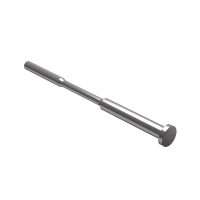
25.51€
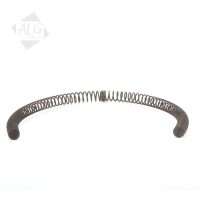
Geissele AK Recoil Spring
IN STOCK
25.00€
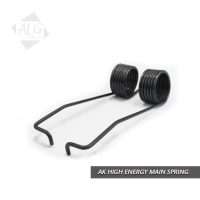
21.42€
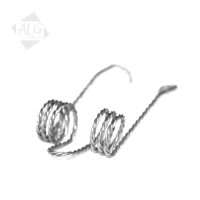
Geissele AK Braided Spring
IN STOCK
20.40€
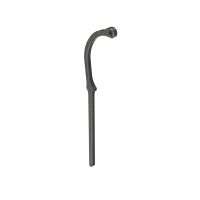
KMR Main Spring Strut L
IN STOCK
20.40€
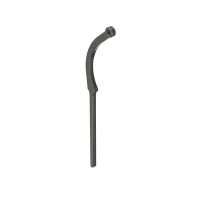
KMR Main Spring Strut W
IN STOCK
20.40€
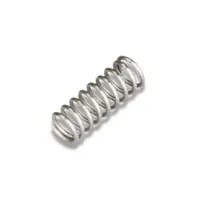
10.17€
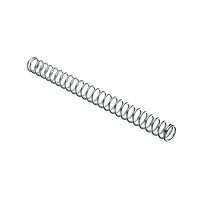
KMR Recoil Spring 4.5"
IN STOCK
9.15€
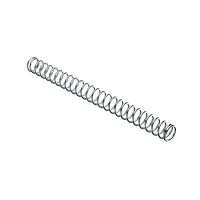
KMR Recoil Spring 5"
IN STOCK
9.15€
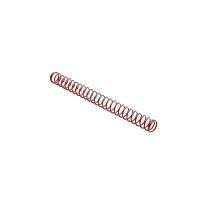
KMR Recoil Spring .22 LR
IN STOCK
8.64€
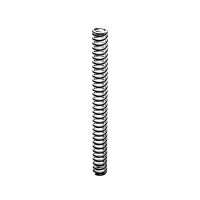
KMR Main Spring Soft (14)
IN STOCK
8.64€
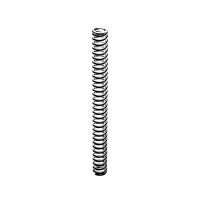
KMR Main Spring Standard (17)
IN STOCK
8.64€
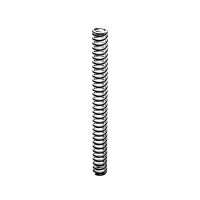
KMR Main Spring Hard (20)
IN STOCK
8.64€
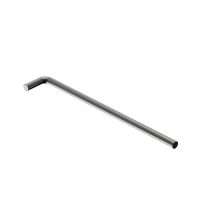
KMR Slide Stop Spring .22 LR
IN STOCK
4.04€
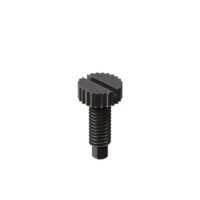
KMR Magazine Catch Spring Screw
IN STOCK
4.04€
3.53€
KMR Slide Stop Spring Pin
IN STOCK
3.53€
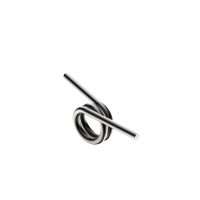
KMR Trigger Spring SA
IN STOCK
3.02€
KMR Extractor Spring OR
IN STOCK
3.02€
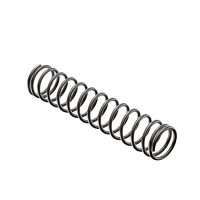
KMR Firing Pin Spring
IN STOCK
3.02€
KMR Extractor Spring
IN STOCK
3.02€
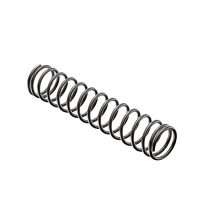
KMR Firing Pin Spring S
IN STOCK
3.02€
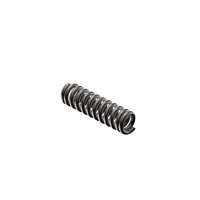
KMR Safety Detent Plunger Spring
IN STOCK
3.02€
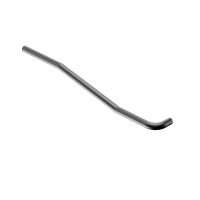
KMR Slide Stop Spring
IN STOCK
3.02€
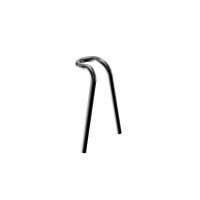
KMR Magazine Catch Spring
IN STOCK
3.02€
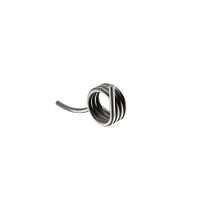
KMR Sear Spring
IN STOCK
3.02€
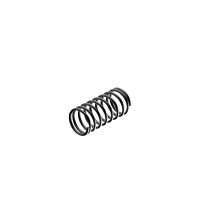
KMR Extractor Spring S
IN STOCK
3.02€
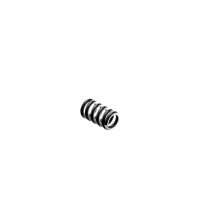
KMR Ejector Spring
IN STOCK
3.02€
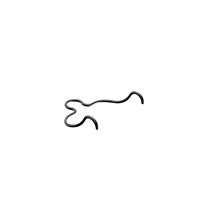
KMR Trigger Bar Spring
IN STOCK
3.02€
KMR Trigger Spring SA/DA
IN STOCK
3.02€