BG
BG DE
DE Hrvatski
 Čeština
 Dansk
Dansk Nederlands
 Eesti
Eesti Suomi
Suomi Français
 Ελληνικά
 Magyar
 Latviešu
 Lietuvių
 Malti
Malti Norsk bokmål
 Polski
 Română
 Slovenčina
 Slovenščina
 Español
 Svenska
 Italiano
 Português, Portugal
Shop chronographs at No Boring Guns for measuring bullet velocity and ballistic performance. Modern shooting chronographs serve hunters, competitive shooters, and precision rifle enthusiasts who need accurate velocity data for load development, trajectory calculations, and performance verification.
Accurate velocity measurement transforms shooting from guesswork into precision science. Chronographs provide the fundamental data needed to develop consistent ammunition loads, verify factory ammunition performance, calculate ballistic drop tables, and ensure projectiles remain within optimal velocity windows for terminal performance.
Choosing Your Chronograph
Sensor Technology
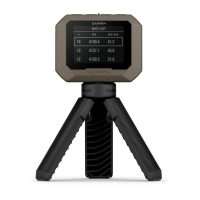
Optical chronographs require careful alignment and consistent lighting but deliver accurate results at accessible price points. Sunlight from certain angles can cause false readings, making diffusers or overcast conditions ideal. Doppler radar systems eliminate alignment concerns and lighting sensitivity entirely, measuring velocity from behind the firing line without any equipment downrange. The tradeoff is cost – radar technology commands premium pricing but offers unmatched convenience and additional ballistic data.
Data Recording and Analysis
Basic models display velocity on integrated screens, requiring manual recording for each shot string. Mid-range chronographs add internal memory to store shot strings and calculate statistics automatically. Advanced systems offer smartphone connectivity via Bluetooth, enabling real-time data transfer to ballistic apps for immediate trajectory calculations and load comparison. Consider how you’ll use velocity data – casual shooters manage with basic displays, while load development demands detailed statistical analysis across multiple sessions.
Portability and Durability
Range-only chronographs can prioritize accuracy over portability, while hunters and field shooters need compact, weather-resistant designs. Battery life varies significantly between models – optical units typically run longer on standard batteries, while radar systems consume more power but often include rechargeable options. Tripod compatibility, carrying cases, and sturdy construction determine whether a chronograph survives regular transport and outdoor conditions.