

 BG
BG DE
DE Hrvatski
 Čeština
 Dansk
Dansk Nederlands
 Eesti
Eesti Suomi
Suomi Français
 Ελληνικά
 Magyar
 Latviešu
 Lietuvių
 Malti
Malti Norsk bokmål
 Polski
 Română
 Slovenčina
 Slovenščina
 Español
 Svenska
 Italiano
 Português, Portugal





























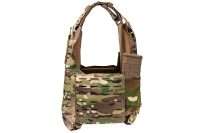
Shop plate carriers at No Boring Guns for tactical operations, training, and personal protection. From low visibility plate carriers to full MOLLE systems, the selection covers military-grade platforms and civilian configurations designed for armor insertion and load bearing.
Plate carriers serve as the foundation for modern protective equipment, holding ballistic plates while distributing weight across shoulders and torso. Unlike passive armor solutions, these systems integrate with pouches, medical kits, and communication equipment.
Choosing the Right Plate Carrier
Plate Compatibility and Sizing
Carriers are sized according to the ballistic plates they accommodate, typically ranging from small to extra-large. Standard sizing follows SAPI (Small Arms Protective Insert) dimensions used by military specifications. The carrier must match plate dimensions precisely – too large creates shifting and impact transfer problems, too small prevents proper plate insertion. Side plate pockets add flank protection but increase weight and restrict arm movement, a tradeoff between coverage and mobility.
Comfort and Adjustment Systems
Quality carriers distribute 10-20 pounds of armor weight through padded shoulder straps, adjustable cummerbunds, and chest straps. Top-rated plate carriers feature multiple adjustment points at shoulders, sides, and waist to achieve proper ride height and weight distribution. Carriers sitting too low transfer weight to shoulders alone, causing fatigue. Systems with quick-adjust mechanisms enable users to modify fit while wearing gloves or under stress. Internal padding prevents plate edges from digging into torso during movement.
Load-Bearing Capacity
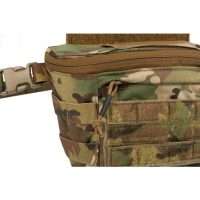
MOLLE coverage determines how much additional equipment the platform supports. Full MOLLE systems offer extensive real estate but add bulk and weight even before attachment. Minimalist carriers reduce profile and heat retention but limit carrying capacity for ammunition, medical gear, and communications. Laser-cut MOLLE reduces weight compared to traditional sewn webbing while maintaining attachment compatibility.
Plate Carrier FAQs
What are plate carriers?
Plate carriers are vest systems designed to hold ballistic armor plates against your torso, distributing their weight across shoulders and waist. The carrier itself provides no ballistic protection – it’s simply the platform that holds hard armor inserts in front and back pockets. Most carriers also feature MOLLE webbing for attaching pouches, medical equipment, and other tactical gear, making them modular load-bearing platforms.
Is it legal to wear a plate carrier?
In most European countries, wearing a plate carrier without armor inserts is generally legal, though laws vary significantly by jurisdiction. Actual ballistic plates are often restricted or regulated differently than the carriers themselves. Some nations prohibit body armor for civilians entirely, while others allow ownership but restrict use during certain activities. Always verify current laws in your specific country and locality before purchasing armor or carriers.
Do navy SEALs wear plate carriers?
Yes, U.S. Navy SEALs and similar special operations forces commonly use plate carriers as their primary armor platform. They typically select lightweight, low-profile carriers that balance protection with mobility for maritime and direct action operations. Special operations units often have wider equipment selection latitude than conventional forces, choosing carriers optimized for their specific mission requirements rather than standardized issue systems.
Is a plate carrier bulletproof?
No, the plate carrier itself offers no ballistic protection – it’s only a fabric vest that holds armor plates. The bulletproof protection comes from ballistic plates inserted into the carrier’s pockets, typically made from ceramic, steel, or polyethylene materials rated to specific threat levels. Without plates inserted, a plate carrier provides no more protection than a regular vest. The level of protection depends entirely on the armor plates you choose, which are rated according to standardized threat levels.
357.39€
244.91€