BG
BG DE
DE Hrvatski
 Čeština
 Dansk
Dansk Nederlands
 Eesti
Eesti Suomi
Suomi Français
 Ελληνικά
 Magyar
 Latviešu
 Lietuvių
 Malti
Malti Norsk bokmål
 Polski
 Română
 Slovenčina
 Slovenščina
 Español
 Svenska
 Italiano
 Português, Portugal
Shop ear protection for shooting at No Boring Guns. The category includes electronic earmuffs, passive hearing protection, foam and reusable earplugs, and specialized solutions for rifle ranges, pistol shooting, and hunting applications across Europe.
Firearm noise causes permanent hearing damage. A single unprotected shot from centerfire rifles or magnum handguns can harm your hearing irreversibly. Quality gun range ear protection prevents cumulative damage from repeated exposure while maintaining situational awareness and communication capabilities during training or competition.
Electronic vs Passive Hearing Protection
Passive earmuffs block all sound through foam-filled cups and tight seals around the ears. They’re reliable, require no batteries, and generally offer higher raw noise reduction ratings. The tradeoff is complete sound isolation – you can’t hear range commands, hunting partners, or environmental cues without removing them.
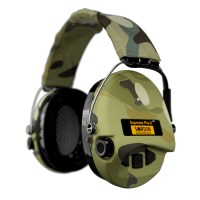
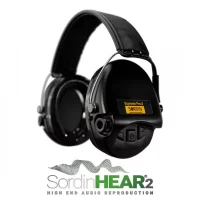
Electronic hearing protection amplifies safe sounds while instantly suppressing dangerous noise levels. Microphones pick up conversations and ambient noise, cutting off when gunshots occur. This technology allows normal communication and situational awareness at rifle ranges or during tactical training. Premium electronic models from brands like Peltor, Sordin, and similar manufacturers feature directional microphones, adjustable amplification, and audio input jacks for radios or phones.
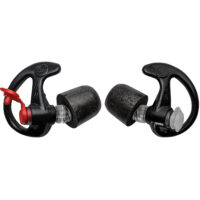
Earplugs complement earmuffs for maximum protection. Foam plugs offer high NRR (Noise Reduction Rating) values when properly inserted. Reusable silicone or flanged designs last longer and maintain consistent positioning. Brands like SureFire produce filtered earplugs that reduce harmful frequencies while preserving some sound clarity – useful for hunting when you need to hear game movement between shots.
Choosing Shooting Range Ear Protection
Noise Reduction Ratings
NRR and SNR (Single Number Rating used in Europe) measure decibel reduction. Most shooting earmuffs range from 22 to 33 SNR. Higher ratings provide more protection but often mean bulkier cups that may interfere with rifle stocks. The best ear protection for shooting range use balances sufficient reduction with comfort and weapon clearance. Doubling up with earplugs under earmuffs increases protection for high-volume shooting or indoor ranges where noise reflection intensifies sound pressure.
Stock Clearance and Profile
Low-profile designs matter for rifle shooters. Standard earmuffs often interfere with proper cheek weld, forcing awkward head positions that compromise accuracy. Slim-cup models or behind-the-head band designs reduce this interference. Shotgun and rifle range ear protection requires careful attention to cup thickness – competition shooters often prefer electronic models with cutaway cups that clear stocks without compromising the seal.
Build Quality and Comfort
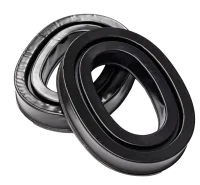
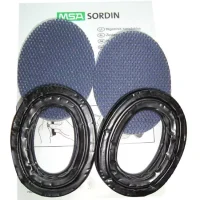
Gel-filled cushions seal better than basic foam and remain comfortable during extended range sessions. Adjustable headbands accommodate different head sizes and maintain consistent pressure without causing headaches. Quality 3M ear protection and similar professional-grade options feature replaceable cushions and headbands, extending product life. Cheap models often fail at the headband pivot points or develop seal gaps after moderate use.
Frequently Asked Questions
What ear protection is best for shooting range?
Electronic earmuffs rated 28-31 SNR provide the best balance for most shooters at rifle and pistol ranges. They offer sufficient protection while allowing communication and range command awareness through amplified microphones. For indoor ranges or magnum calibers, double up with foam earplugs under electronic earmuffs to achieve maximum protection, as reflected noise intensifies sound pressure beyond what single-layer protection can safely handle.
Can I use earplugs at gun range?
Yes, properly inserted foam or reusable earplugs provide adequate protection for most outdoor shooting when rated 30+ NRR. Roll foam plugs tightly, pull your ear up and back, then insert deep into the canal and hold while they expand for proper seal. Indoor ranges typically require doubling earplugs with over-ear muffs due to noise reflection from walls and ceilings creating higher sustained decibel levels.
Is 32 dB noise reduction good for shooting?
Yes, 32 SNR/NRR provides excellent protection for most firearms including centerfire rifles and magnum handguns. Centerfire rifles typically produce 160-170 dB at the shooter’s ear, and 32 dB reduction brings this into safer ranges, though repeated exposure still requires caution. Higher ratings offer marginal additional protection but usually mean bulkier earmuffs that may interfere with rifle stocks and cheek weld.
Are guns still loud with hearing protection?
Yes, firearms remain audibly loud even with proper hearing protection, but the sound is reduced to safer levels that prevent immediate and cumulative hearing damage. You’ll still hear and feel the report from centerfire rifles and pistols, but quality ear protection reduces the harmful frequencies and pressure waves that cause permanent threshold shifts. The perceived loudness reminds you protection is working – gunfire should never sound completely silent, as that would indicate insufficient reduction.