

 BG
BG DE
DE Hrvatski
 Čeština
 Dansk
Dansk Nederlands
 Eesti
Eesti Suomi
Suomi Français
 Ελληνικά
 Magyar
 Latviešu
 Lietuvių
 Malti
Malti Norsk bokmål
 Polski
 Română
 Slovenčina
 Slovenščina
 Español
 Svenska
 Italiano
 Português, Portugal




























Shop tactical gear at No Boring Guns for competitive shooting, hunting, and range use. Quality holsters, plate carriers, chest rigs, hearing protection, slings, shooting targets, and essential accessories available across Europe.
Modern shooting demands more than just firearms and ammunition. From competitive shooters needing shot timers and magazine pouches to tactical training requiring plate carriers and trauma kits, the right equipment improves performance and safety. Protective cases keep firearms secure during transport, while quality hearing protection prevents permanent damage. Whether setting up a home range with shooting targets or building a competition loadout, tactical gear equipment forms the foundation of serious shooting sports.
Choosing Quality Tactical Gear
Material Construction and Durability
Military tactical gear typically uses Cordura nylon, which offers excellent abrasion resistance compared to standard nylon weaves. Kydex dominates holster construction for its rigid retention and weather resistance, while leather provides comfort with proper break-in. Plate carriers use 500D to 1000D nylon – higher denier numbers indicate thicker, more durable fabric but add weight. Quality tactical gear suppliers like Blue Force Gear and SureFire engineer products to withstand repeated field use without hardware failure or stitching separation.
Attachment Systems and Modularity
MOLLE (Modular Lightweight Load-carrying Equipment) webbing allows customizable pouch placement on plate carriers and chest rigs. Each row of MOLLE provides attachment points at one-inch intervals. Alternative systems include belt loops, Velcro panels, and proprietary quick-release mechanisms. Competition shooters often prefer dedicated magazine pouches on belts from manufacturers like DAA and Shooters Global, which offer precise retention adjustment and minimal bulk compared to general-purpose tactical pouches.
Fit and Adjustability
Plate carriers require proper sizing to position armor plates correctly over vital organs. Adjustable cummerbunds and shoulder straps accommodate different body types and clothing layers. Holsters need specific molding for each firearm model – a Glock 17 holster will not fit a CZ P-10. Quality hearing protection provides adequate noise reduction rating (NRR) while maintaining comfortable seal around safety glasses. Electronic models balance protection with situational awareness, crucial for competitive shooting gear and tactical training environments.
Frequently Asked Questions
What tactical gear do I need for competitive shooting?
Competition requires a quality holster molded for your specific firearm, magazine pouches (typically 3-4 for pistol divisions), a sturdy belt, hearing protection, and a shot timer for practice. Brands like DAA and Shooters Global design equipment specifically for IPSC and USPSA with adjustable retention and rapid-access geometry. Start with basic gear and upgrade components as you identify your specific needs through match experience.
How do I choose between a plate carrier and chest rig?
Plate carriers hold ballistic armor plates and typically feature more MOLLE webbing for carrying additional equipment, making them heavier but more protective for tactical applications. Chest rigs provide lightweight magazine and gear organization without armor capability, preferred by competitive shooters and those prioritizing mobility over protection. Choose based on whether you need actual ballistic protection or just organized gear access.
What’s the difference between passive and electronic hearing protection?
Passive hearing protection (foam plugs and basic earmuffs) blocks all sound equally through physical barriers, providing consistent protection but eliminating range communication and environmental awareness. Electronic models like Sordin amplify safe sounds while instantly blocking harmful impulse noise above damaging levels, allowing normal conversation and range commands while protecting hearing. Electronic protection costs more but significantly improves the shooting experience, especially for instruction and competition.
Are MOLLE pouches universal across different carriers?
Yes, MOLLE attachment systems follow standardized one-inch webbing spacing, making pouches compatible across different manufacturers’ plate carriers and chest rigs. However, pouch depth, width, and specific features vary significantly between general military tactical gear and specialized competitive shooting gear. Blue Force Gear and similar manufacturers use MOLLE standards but optimize designs for specific applications, so consider your actual use case when selecting pouches.
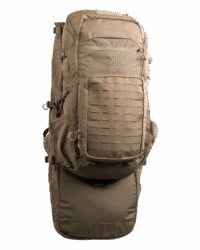
Eberlestock W2-Spectre
IN STOCK
579.99€
357.39€
306.26€
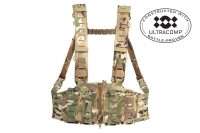
301.15€
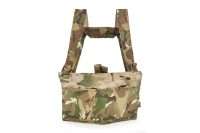
301.15€
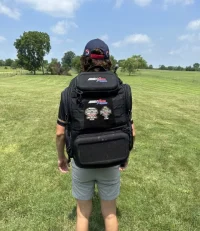
DAA Carry It All (CIA) Range Backpack
OUT OF STOCK
255.13€
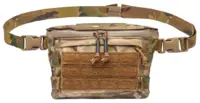
244.91€
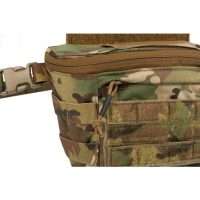
244.91€
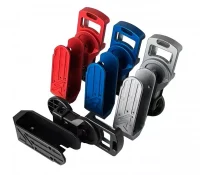
234.68€
173.33€
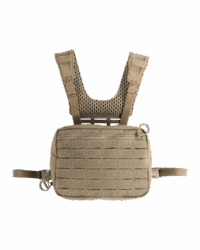
Eberlestock Force Chest Pack
IN STOCK
155.99€
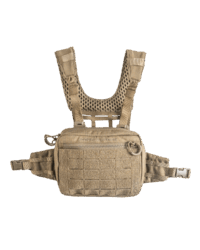
Eberlestock Fury Chest Pack
IN STOCK
139.99€

129.99€
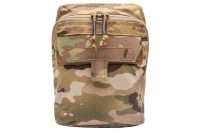
65.96€
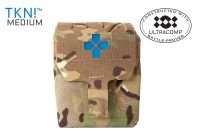
101.75€
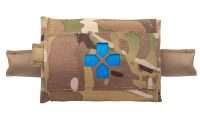
101.75€
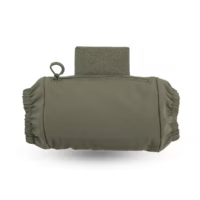
Eberlestock Recon Handwarmer
IN STOCK
99.99€
96.63€
77.72€
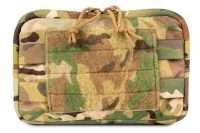
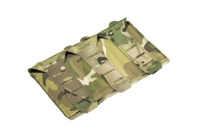
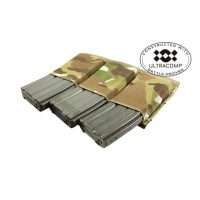
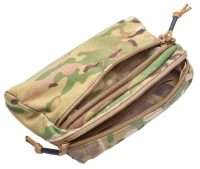
Blue Force Gear Admin Pouch
IN STOCK
76.18€
76.18€
76.18€
74.14€
65.96€
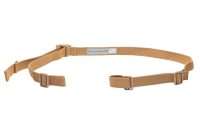
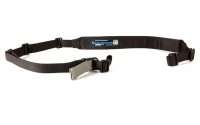
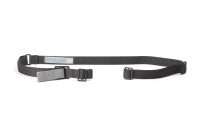
Blue Force Gear GMT Sling
IN STOCK
62.38€
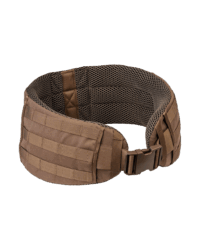
Eberlestock Long Padded Hip Belt
IN STOCK
57.99€
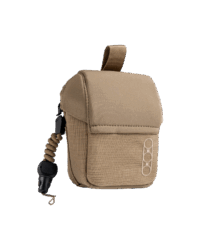
55.99€
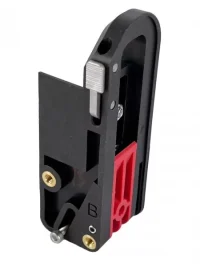
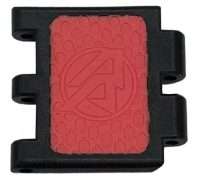
DAA Flex Holster Insert Block
IN STOCK
55.73€
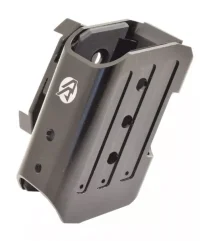
DAA Alpha-Xi Pouch Without Inlay
IN STOCK
55.73€
55.73€
50.62€
40.39€
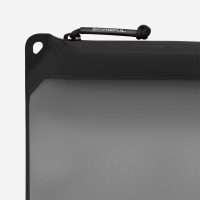
Magpul DAKA Window Pouch - Large
IN STOCK
45.97€
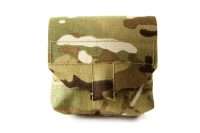
Blue Force Gear Boo Boo Pouch
IN STOCK
45.51€
29.99€
43.41€
43.41€
40.85€
40.85€
40.85€
38.30€
30.63€
30.12€
29.99€
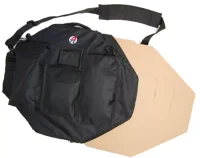
28.07€
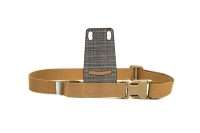
28.07€
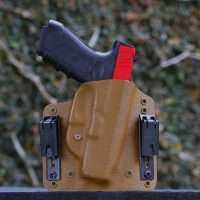
Clips Ulticlip XL
OUT OF STOCK
26.02€
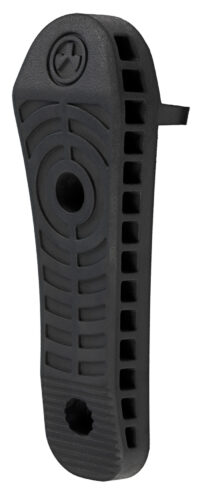
Magpul - Rubber Butt-Pad - 0.70"
IN STOCK
25.51€
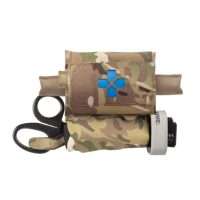
Blue Force Gear Shear Hammock
IN STOCK
23.47€
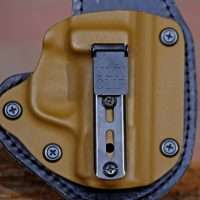
Clips Ulticlip 3+
OUT OF STOCK
21.93€
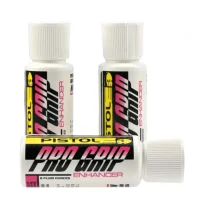
Double Alpha Pro Grip Lotion 2Oz
OUT OF STOCK
16.31€
DAA GRIPZ - Grip enhancer 75 ml
IN STOCK
14.31€
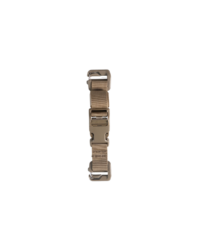
Eberlestock WRS-Retention Strap
IN STOCK
11.99€
7.99€
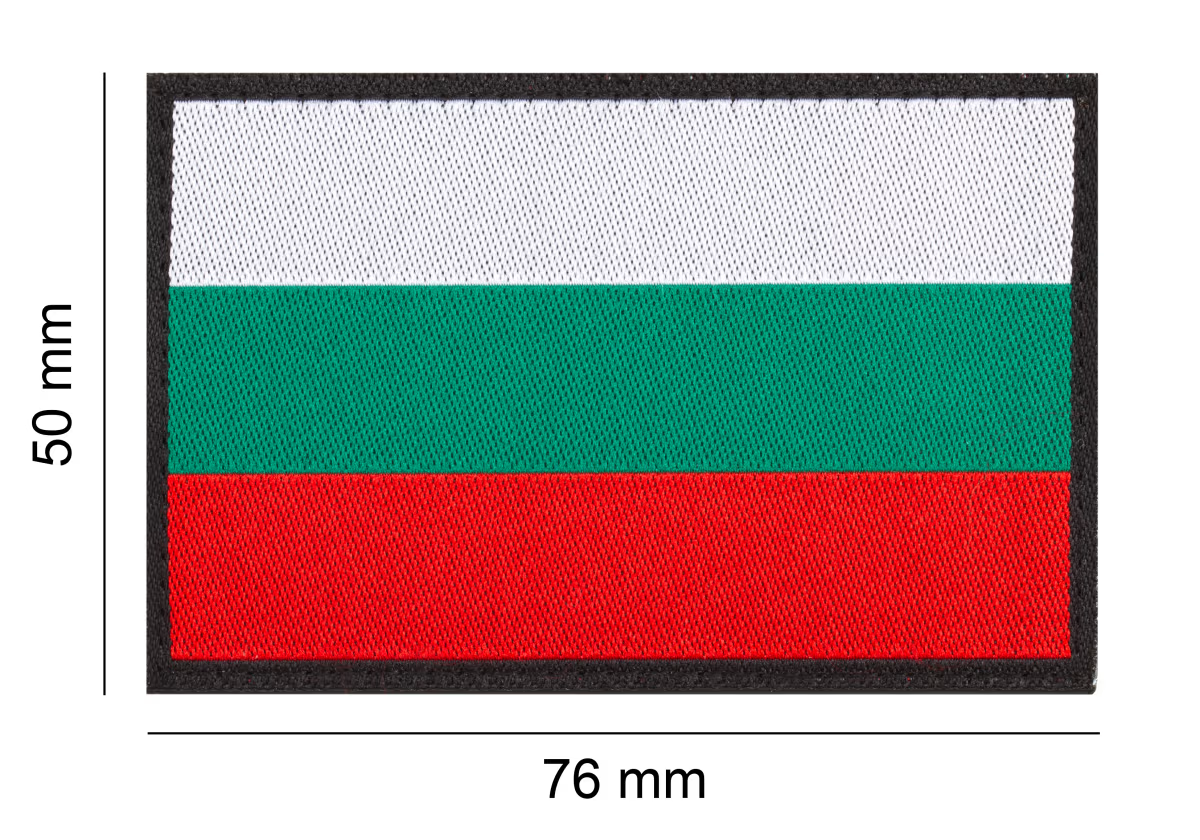
Clawgear Bulgaria Flag Patch
OUT OF STOCK
6.13€
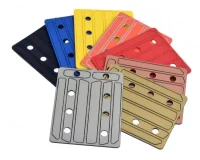
DAA Alpha-Xi Pouch Inlay
IN STOCK
5.06€
1.64€
89.99€
74.99€
44.99€
109.99€