BG
BG DE
DE Hrvatski
 Čeština
 Dansk
Dansk Nederlands
 Eesti
Eesti Suomi
Suomi Français
 Ελληνικά
 Magyar
 Latviešu
 Lietuvių
 Malti
Malti Norsk bokmål
 Polski
 Română
 Slovenčina
 Slovenščina
 Español
 Svenska
 Italiano
 Português, Portugal
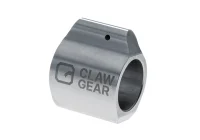
Shop gas blocks at No Boring Guns for AR-15 builds, upgrades, and replacements. Gas blocks available in adjustable and fixed configurations, low profile designs, and standard mounting options compatible with modern AR platforms.
Gas blocks regulate cycling in direct impingement and piston systems, making them essential for reliable function. Upgrading from a factory gas block enables tuning for suppressed shooting, different ammunition types, or optimizing carrier speed. Low profile gas block AR15 configurations work under free-float handguards, while adjustable models let shooters dial in gas flow for suppressor use or ammunition changes. Brands like BCM offer reliable options built to withstand thousands of rounds without degradation.
Choosing Your AR Gas Block
Adjustable vs Fixed Configuration
Fixed gas blocks provide simplicity and reliability for standard shooting conditions. They require no adjustment and eliminate potential points of failure. Adjustable gas blocks add tuning capability, letting shooters reduce gas flow when running suppressors or increase flow for adverse conditions. The adjustment mechanism typically involves a screw that restricts gas port size, giving control over bolt carrier velocity and felt recoil. Adjustable models benefit shooters who alternate between suppressed and unsuppressed shooting or use various ammunition weights.
Mounting Security
Set screw gas blocks rely on screws bearing directly against the barrel journal. Quality models use hardened screws and may include dimpling jigs to create detents that prevent movement. Clamp-style designs distribute pressure around the barrel circumference, reducing the risk of barrel damage and offering stronger hold without dimpling. Pinned installations provide maximum retention but require drilling through both gas block and barrel – a permanent modification best performed during initial builds.
Profile and Clearance
Low profile designs measure minimally above the barrel, fitting inside handguard inner diameters without interference. Standard profile blocks add height and may contact handguard interiors. Check handguard inner diameter specifications against gas block outer dimensions before purchasing. Most modern free-float handguards accommodate low profile blocks without issue, but thicker clamp-style models may require verification.
FAQs
What is a gas block?
A gas block sits on the barrel above the gas port and redirects propellant gases into the gas tube, which cycles the bolt carrier group. It acts as the connection point between the barrel’s gas port and the gas system that operates the action. Without a properly functioning gas block, semi-automatic AR platforms won’t cycle reliably or at all.
How much does an AR-15 gas block cost?
AR-15 gas blocks typically range from budget options around €30-60 to premium adjustable models reaching €100-150 depending on features and manufacturing quality. Standard fixed low profile blocks occupy the lower end of this range, while adjustable models with precision machining and robust adjustment mechanisms command higher prices. Clamp-style and specialty finishes also affect pricing compared to basic set screw designs.
What is the difference between a gas block and a gas tube?
The gas block attaches to the barrel and captures gases, while the gas tube is a stainless steel tube that carries those gases from the block to the bolt carrier group inside the upper receiver. Gas blocks remain stationary on the barrel, whereas gas tubes run through the handguard and into the upper receiver. Both components work together but serve distinct functions – the block redirects gas flow, and the tube transports it to cycle the action.
Does my AR need a gas block?
Yes, every direct impingement AR-15 requires a gas block to function as a semi-automatic firearm. The gas block redirects propellant gases necessary for cycling the bolt carrier group and chambering subsequent rounds. Without a gas block installed, the rifle becomes a single-shot platform requiring manual cycling after each shot, as there’s no gas pressure to operate the action automatically.